Room for everyday questions.
Topics follow the care plan and may cover routines, medications, sleep, mobility or changes to share with the care team. You can ask for a question to be repeated.

How it works
An AI voice asks how you feel. You answer in your own words. A licensed nurse practitioner reviews concerns identified during the call and decides what happens next.
Availability. Ask about support for yourself, a loved one or your organization. Program availability is confirmed before enrollment. An enrollment coordinator helps you check availability and basic eligibility, review coverage and expected costs, and complete consent and scheduling. A participating nurse practitioner assesses your care needs and develops your care plan.
Talk with our teamWatch the care journey
See how a familiar phone call connects with clinician-directed care. Watch the 1 minute 45 seconds film, right here.
This film illustrates the care model. Scheduled calls do not provide continuous or between-call monitoring. Device-based RPM is a separate planned service; ask about availability before enrollment.
Important health changes can happen between appointments. For someone leaving a hospital or care facility, that gap can begin the moment they go home. KindlyMoments keeps the connection going during recovery with a remote daily check-in between scheduled visits. At a chosen time, KindlyMoments calls the phone they already use. That can be a mobile phone or a familiar home phone. No app or internet is required for the call. The same connection supports older adults at home and in residential care throughout everyday routines. Care plan questions can cover symptoms, medications, sleep, mood, daily function and practical needs. The clinical workspace organizes patient-reported trends and, when available, connected device readings, a two-layer process checks potential concerns in context. Technology surfaces and organizes the signal. A licensed clinician reviews the concern and decides what happens next. With authorization, families can see whether check-ins are happening while clinical information stays with the care team. For patients and families, clinicians, hospitals, facilities and health plans, one daily connection can support continuity, engagement and earlier follow-up. See what KindlyMoments can do for you or the people you serve. Visit kindlymoments.com. Somebody should call. So we do.
KindlyMoments is not an emergency service.
In an emergency, call 911. Call or text 988 for a mental health crisis.
Scenes and interface data are illustrative.
Availability and clinical services depend on eligibility, location and care arrangement.
Please contact your healthcare provider for questions about your care.
For an emergency, call 911. For a mental health crisis, call or text 988. Do not wait for a website reply.
Download the film transcriptA simple routine. Clear responsibilities.
The automated call supports the care plan. It does not replace the clinician, a follow-up visit or the people who help you at home.
Explore care programsA coordinator helps with eligibility, costs, consent and scheduling.
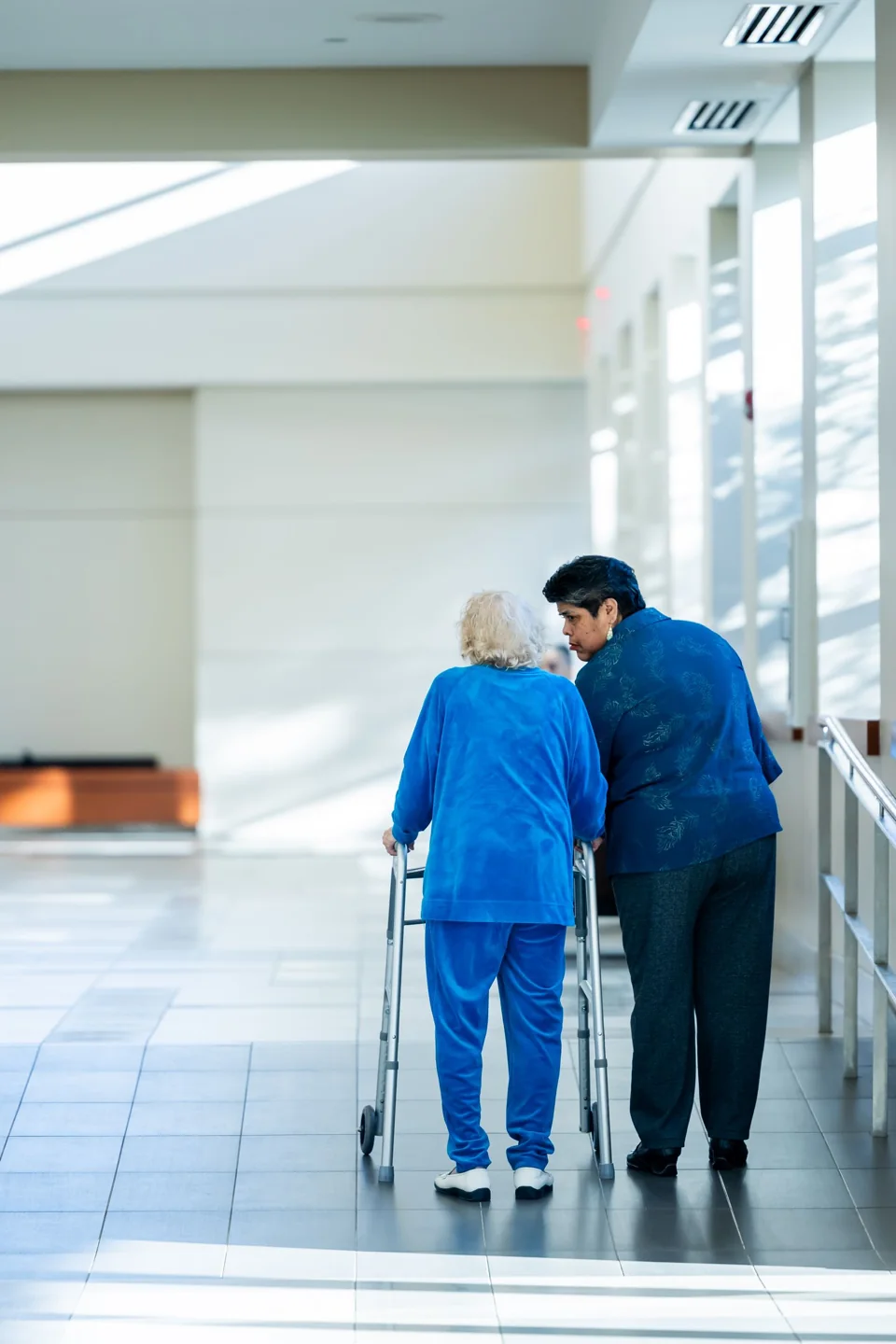
A nurse practitioner assesses your needs and creates your care plan.
An AI voice calls your mobile phone or landline to ask how you feel.
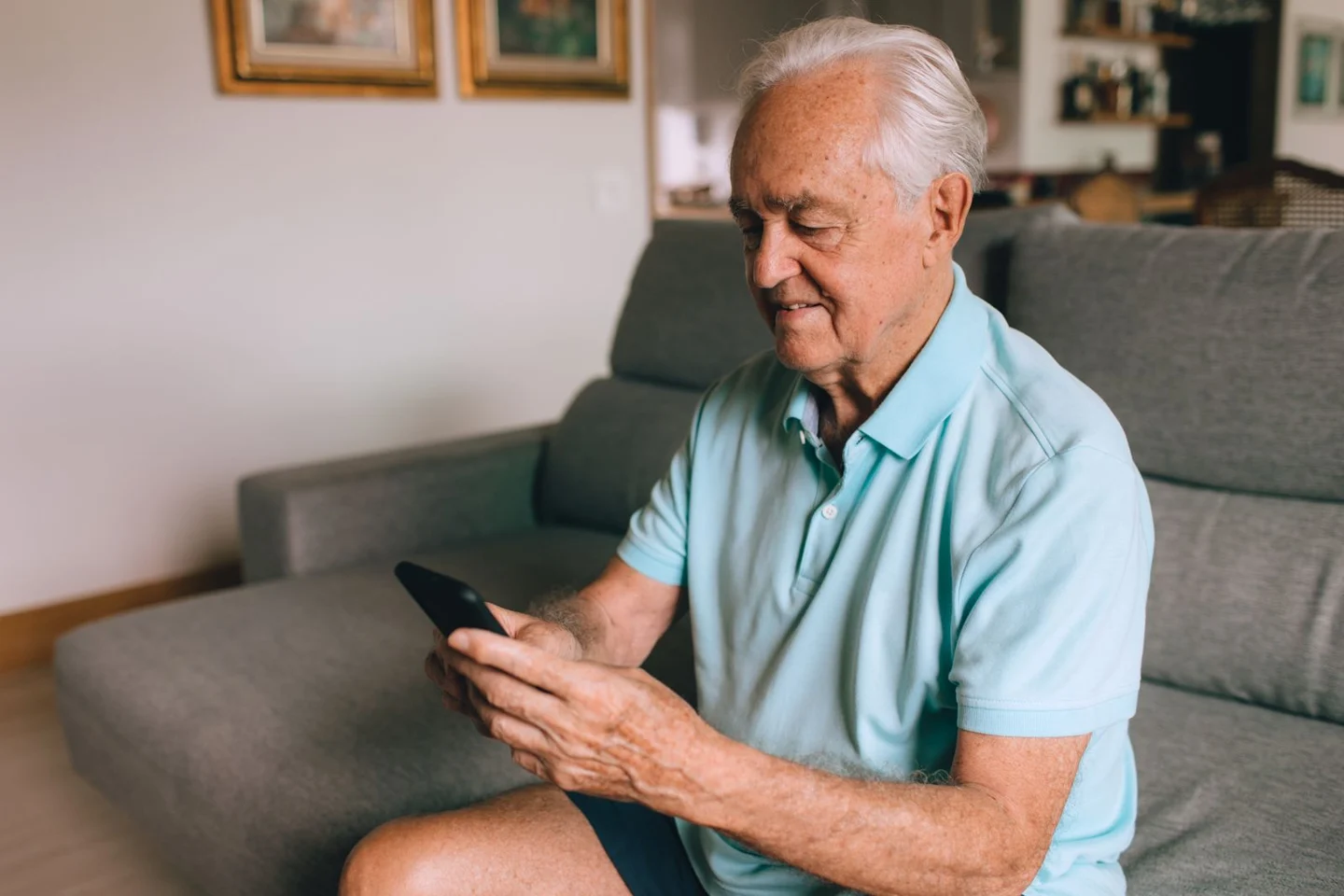
Concerns identified during the call go to a nurse practitioner, who decides the next step.
AI supports the conversation.
Licensed clinicians make care decisions.
Topics follow the care plan and may cover routines, medications, sleep, mobility or changes to share with the care team. You can ask for a question to be repeated.
The assistant does not diagnose, prescribe or call 911 for you. Concerns identified during a call enter the clinical review workflow. Calls do not provide continuous monitoring or a guaranteed response time.
A little more connection.